Raised Bed Gardening Starter Guide
Take Your Gardening to another Level
Spring is here and outdoor gardening can commence! But wait…your garden looks like a heap of chaos and confusion. You don’t know where to begin.
You start out with beautiful plants but something always seems to go wrong; you water too much or too little, the sun and rain are too abundant or not enough. Plants eventually get overlooked, overgrown, unattractive and eventually unwanted. It’s a vicious cycle.
At some point we all question our gardening abilities and we wonder if we could be doing more for our plants. Is there a simpler way to keep them under control, happy, healthy, all the while looking lovely?
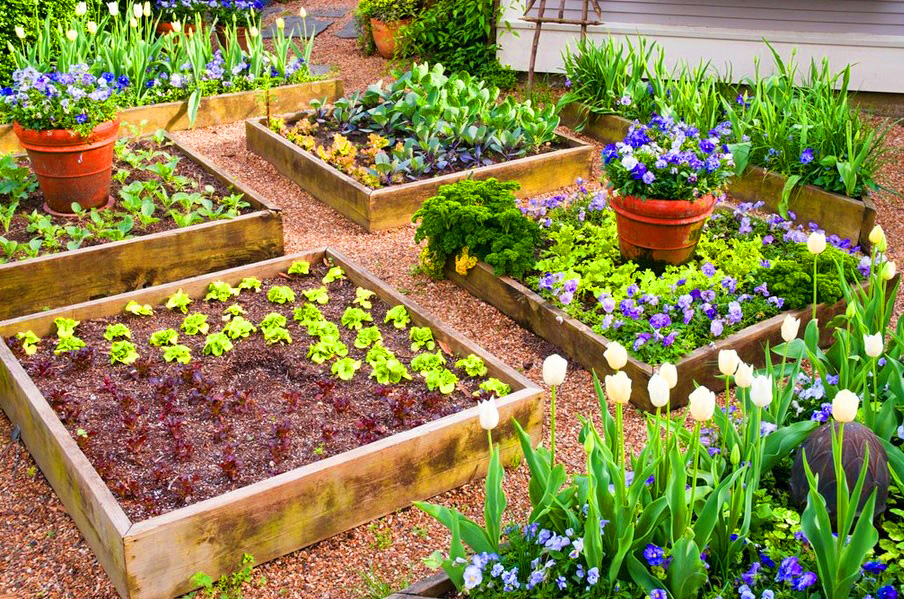
If you would like an easier and exciting way to plant, reestablish your garden today with raised garden beds. One praise-worthy way to improve your gardening is to create and use these beds in your yard.
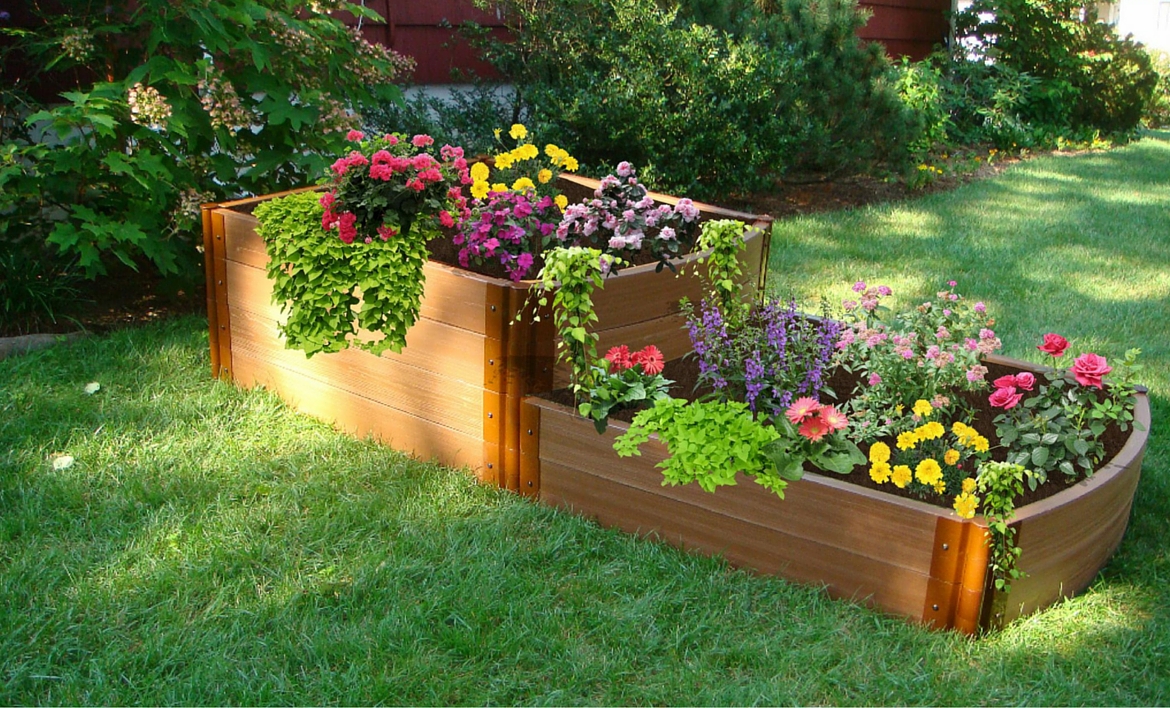
Essentially large planting boxes, these extremely functional, elevated gardens have become part of a popular technique due to their ease of use and endless advantages.
Benefits of Raised Garden Beds
Ease of Access
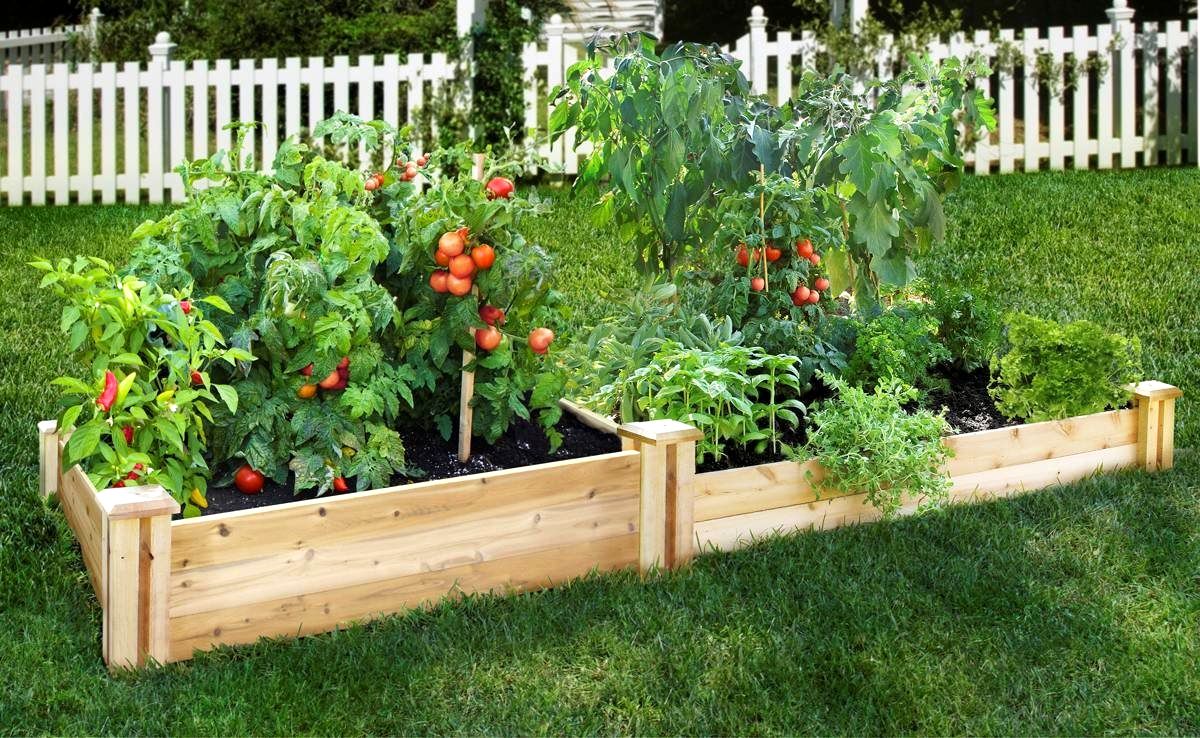
Raised beds greatly benefit the planted vegetation and the gardener tending to them, as well as produce great tasting homegrown food for you to enjoy too!
For starters, you are able to easily reach the plants and crops you desire without stamping on the surrounding plants, compressing the soil. There is now no need to be on your knees, hurting your back or straining. Being elevated encourages the ease of planting, weeding, watering & harvesting.
Improved Soil
Speaking of planting, another advantage is that you can fill this garden with any desired high-quality soil you wish. Once placed in the bed, the soil is confined to an area which helps reduce erosion, prevents compaction and allows the soil to maintain a warmer temperature.
Also, the boxes are bottomless. Yes, that’s right. Bottomless. Placed on the lawn, they permit plant roots to grow through the soil and further into the ground for available nutrients. This element also enhances the ability for water to drain easier, not rotting the roots.
Extended Growing Season
Yet another plus, raised garden beds act as protection and support for what grows inside the four walls. Serving as a barrier to pests and allowing plants to get more sun and circulation, beds actively expand the timeframe for plant growth. A longer growing season will lead to bigger and better yields in a rather small space.
Whether you decide that your raised garden bed will be DIY or store bought, it will succeed at being easier to maintain, improving your results and promoting better plant growth in general.

Creating Your Garden Bed
Select Your Design & Materials
Now that you see raised garden beds are the way to go, choose your preferred design!
Start with picking the size and shape you want. There are several to choose from, but you’ll be drawn to one that catches your eye or one you know will go well in the space you have.
The common raised garden bed is built in a North to South orientation and the dimensions are about 6 feet long and 4 feet in width (max), so you will still be able to reach the center from both sides. Don’t forget the height! Sides should be 1 to 3 feet tall, but may vary due to mobility issues (you may prefer an elevated garden bed if your back bothers you when gardening).
Then get to work. Whether it is store bought or you create it yourself, a variety of materials work well (rock, brick, concrete, metal or lumber).
Tip: The EPA states wood is safe for food crops, but with whatever you choose, you should line the bed interior with landscape fabric to prevent any major soil contact.
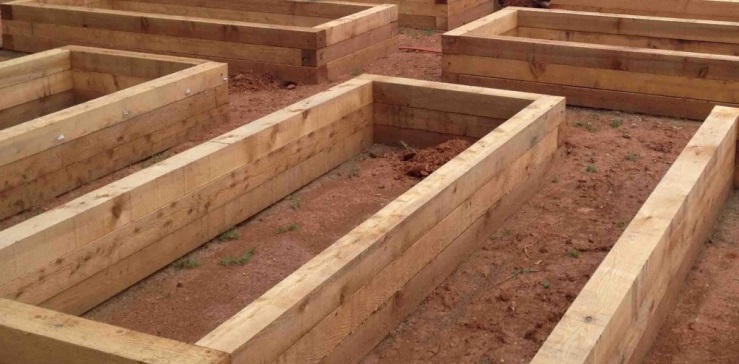
If you are planning on purchasing a raised garden bed, we highly recommend Gronomics for the home gardener due to their solid designs and original thinking. These products look amazing and assemble quite easily.
Many of their products are portable, handicap accessible and are suitable for balconies, backyards, patios and more. They offer the most updated, innovated products on the market to help your garden grow.
Yard Placement
Location. Location. Location. You can have the most delightful elevated garden, but if it’s in a corner of your yard that gets only a few rays of sunlight, your plants probably won’t prosper as you would like. Location is key, so make sure you choose a sunny, open area that will be easy to access for maintenance.
What to Plant
Once you have positioned the bed, you should look into your garden zone and see which plants grow naturally in your environment. With that knowledge you can then plant to your heart’s desire. Pick and choose your favorites, from fruits and vegetables, annuals and perennials to small trees and shrubs.
Maintaining Your Plants
Soil Mix & Fertilizer
As alluded to earlier, be sure to add high-quality soil to your raised garden, and be certain that it is mixed well (recommended: 50/50 planting soil and compost). This will ensure better water retention and keep the right mix of nutrients around the plants.
.jpg)
Start Growing
Now it is time to plant. Start by grouping plants together that have similar needs as this is best for ease of care. But don’t just assume that any plant can prosper close to another. Some plants are toxic to others.
View this list of companion plants to see which plants will work well with other, and which will not.
Also, make sure where you are planting them in the bed makes sense. Each plant grows to a different height and will need to get adequate sunlight, so keep that in mind and your plants shall flourish.
If you are need of some inspiration, view pre-planned gardens or get creative and design your own!
So Remember
- Create or purchase a sturdy, elevated, attractive garden bed
- Place it in a prosperous, sunny location in your yard
- Add good compost and be sure to mulch the soil
- Use floating row covers and water correctly
- Increase biodiversity with companion planting
- Maintain your plants and enjoy the view
- Don’t get discouraged. It’s okay to have setbacks, and there’s always next year!
- Also, some resources that will come in handy as you get started:
View & Purchase