The Ultimate Lawn Care Guide
Turf Seed Basics
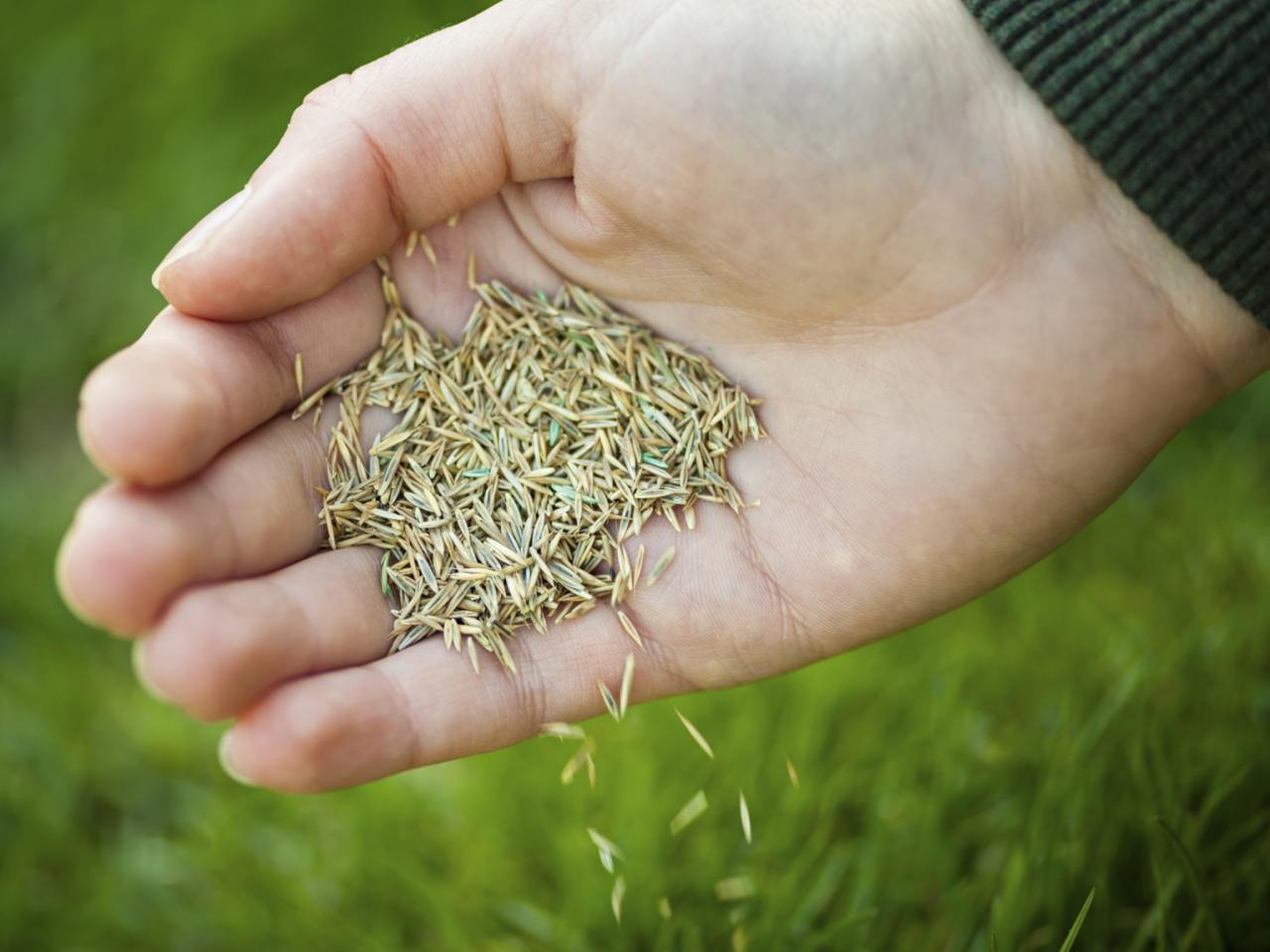
There are three basic types of grass seed available when seeding your lawn: Kentucky Bluegrass, Fescue, and Ryegrass. Each year we update our custom blends so we have the best quality varieties at a reasonable price. Our Northeast Nursery blends of grass seed are available in mixes for many different situations; Sunny, Shady, Park or Conservation areas. Ask one our experts which blend is right for you.
Bluegrass Seed
Kentucky Bluegrass is a cool season grass and will go dormant during the hot summer in New England. When weather is cool the grass grows under ground roots, rhizomes, which will help fill in bare spots in the lawn. The more you cut the more growth you will get. Bluegrass does best in full sun.
Fescue Seed
Fescue will tolerate some drying conditions. This grass variety will grow in sun or shade. It too is a cool season grass and performs better when weather conditions are favorable. This will fill in bare spots like the bluegrass. When purchasing a shady blend there should be a higher percentage of fescue. This does not mean it will live in darkness. Grass, like all plants, requires the sun to photosynthesize. If you have a lawn in deep shade and it won't develop my suggestions is to look to alternative groundcover's that will tolerate a shady area.
Ryegrass Seed
Ryegrass is a fast germinating seed. Depending upon the blend you purchase you may see annual or perennial ryegrass listed. Annual will come up very quick, but as soon as the first hard frost it will die. Perennial will come up quickly as well and it does not die. But the ryegrass varieties typically stay right where they germinate. They don't have runners or underground roots that will encourage the lawn to fill in the bare spots.
Starting a Lawn by Seed
Preparation and Installation
- Measure off the area and figure the square footage (length x width).
- OPTIONAL STEP: Kill weeds and grass with a nonselective herbicide (Round-up); however seeding will have to be delayed approximately 5 to 7 days after application of such products. Be sure you are not using a total vegetative killer.
- Rototill the area and remove all debris – stone, roots, and weeds – which could possibly interfere with the development of the grass seed.
- Rough grade – rake and remove any debris while producing a reasonably level area (no low spots) on which to lay the seed.
- Incorporate into the soil all amendments needed to insure the germination of the grass seed.
- Fine Grade – At this time the grade needs to be level. There should be no question about which direction the water will drain.
- Roll the area with a lawn roller approximately ¾ full of water.
- Water the ground lightly. If puddling occurs remove soil from high areas to fill in low spots.
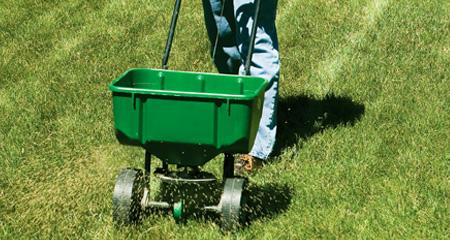
- Spread your grass seed mixture evenly throughout the area. Consult one of our experts concerning which blend would be best for your area.
- Roll the area lightly (empty tank) after spreading seed to help bed it into the soil.
- Moisten the entire area and apply salt marsh hay, seed shield or comparable product over the area to help hold moisture in. This will increase the germination percentage of the seed.
Turf Renovation
Core Aeration | Top-dressing | Overseeding
1. Core Aeration is a vital component to your over all turf management program; it will improve water and nutrient infiltration, improve soil oxygen levels, and reduce thatch levels and now’s the time to start your core aerations. If you don’t own a Core Aerator Northeast Nursery has equipment available for rent. However, you can do more to improve your overall turf quality with two very important steps.
2. Add Top-Dressing to greatly improve soil chemistry and structure which will improve fertilizer performance. Top-dressing products are categorized as either a Physical Soil Amendment or Chemical Soil Amendment and most feature both benefits.
If you have a lawn with high levels of organic matter or compaction issues and only want to improve physical structure; consider adding porous ceramic to improve soil structure and rootzone performance. Top-dressing materials should be dragged after application for best results.
3. Then Add Overseeding to upgrade turfgrass varieties in your lawn. Most lawns have too much Perennial Ryegrass and are susceptible to poor fertility, disease pressure and stress. You can change these conditions by overseeding with newer improved varieties of Kentucky Bluegrasses, Fine Leaf Fescues and NEW generation Perennial Ryegrass.
Spread the seed into the aeration holes after dragging – this method will provide a seedbed for your plants while allowing general use and maintenance to continue uninterrupted. This method is a staple in sports turf management for decades and can be implement quite easily in residential or commercial turf programs.
Recommended Soil Amendments
- Dolomitic Lime: 50 -100 lbs will cover approximately 1000 sq .ft. and raise pH 1 point
- Starter Fertilizer: High in phosphorous, essential for root development.
- Organic Matter: Compost, manure, peat moss anything that has high organic content will help the soil structure, increase the water holding capacity and increase the microbial activity.
For areas that have high clay content we recommend adding Gypsum. Typically clay soils have moss growing in that area. To resolve your moss problem look at our moss control page. Insect controls can be applied at the same time as well. If you feel you have an insect problem in your lawn, only apply control when pest is present. Please refer to our insect control helpful hints page for more information.
Basic Maintenance
- Watering is the most important requirement needed to establish your lawn.
- After approximately 10-14 days you can remove the hay or seed shield.
- Mowing of your new lawn should begin when the grass reaches 2 ½ -3”. You should mow your lawn throughout the growing season, removing the top third each time.
- To ensure a dense, problem free lawn use fertilizer and insect controls as necessary.
Tips & Common Problems
Mushrooms in lawns often develop from thatch, buried wood, dead roots, and stumps. They have many different sizes, colors, shapes, and habits of growth and develop fruiting structures or mushrooms in lawns often after periods of rainy weather. The fungi that produce these mushrooms are beneficial because they decompose dead plant material on and in the soil, making nutrients available to growing plants.
These mushrooms usually are harmless to grasses, but some people consider them unsightly or want to get rid of them because young children play in the area. Neither spray applications nor drenches of fungicides are effective in controlling these mushrooms. A simple way to remove mushrooms is to mow the lawn and collect the clippings or by raking them up.
In some cases, elimination of excess thatch and aerating the soil to improve water penetration also helps reduce their numbers. If the weather becomes drier, the mushrooms gradually disappear without interventions.
Fertilizing Your Lawn In Fall
If you only apply lawn fertilzer once, the best time is the Fall, ideally in October into early November.
As the days get cooler the grass will start storing the nutrients the fertilizer provides. The benefits of fertilizing your lawn in the fall include increased root growth, improved coloring from fall to spring and less disease and drought problems to name a few.
Winter Survival Fall Fertilizer is the perfect fall formula for your lawn. It contains humates which increase the soil activity and it does not contain phosphorus so it can be applied in phosphorus free states. Please note that many states have blackout dates for fertilizer applications. Check your town and state laws for restrictions that may apply.
What if I want to go organic?
Organic fertilizers are another option for your fall fertilization. Organic fertilizers tend to break down slowly and are reliant on microbial activity and soil temperatures. By putting organic fertilizer down in the fall, microbes have a chance to work on those nutrients, breaking them down so that they are available just in time for Spring. So if you’re going organic, Fall is a great time to do so!